Tire installer will only be applicable to your most recent vehicle search. If you would like tire installation on another vehicle, please make separate orders.
Missing vehicle or zipcode information. Enter your missing vehicle or zipcode here to view installer options.
Ship to Local Installer
Ship to Home
Road Hazard Protection with Extend.
Order Total
excl. tax
$0.00
OR EXPRESS CHECKOUT
Warning!
Are you sure you want to remove Anthem Off Road LT275/70R18 Tire from your cart?
Enter Your Vehicle
billing information
Are Studded Tires Worth It?
September 1, 2026
Are Studded Tires Worth It? Rules, Performance & Alternatives | Only Tires
Published 9-1-26 | By Only Tires | 5 min read
Quick answer: Studded tires are worth it if you regularly drive on ice, especially rural roads that do not get salted or plowed. For everyone else, a modern studless winter tire is the better choice. Studs are louder, rougher on dry pavement, restricted to a set season in most states, and banned outright in a few. If your winter is mostly snow and cold rather than glare ice, skip the studs.
What Are Studded Tires?
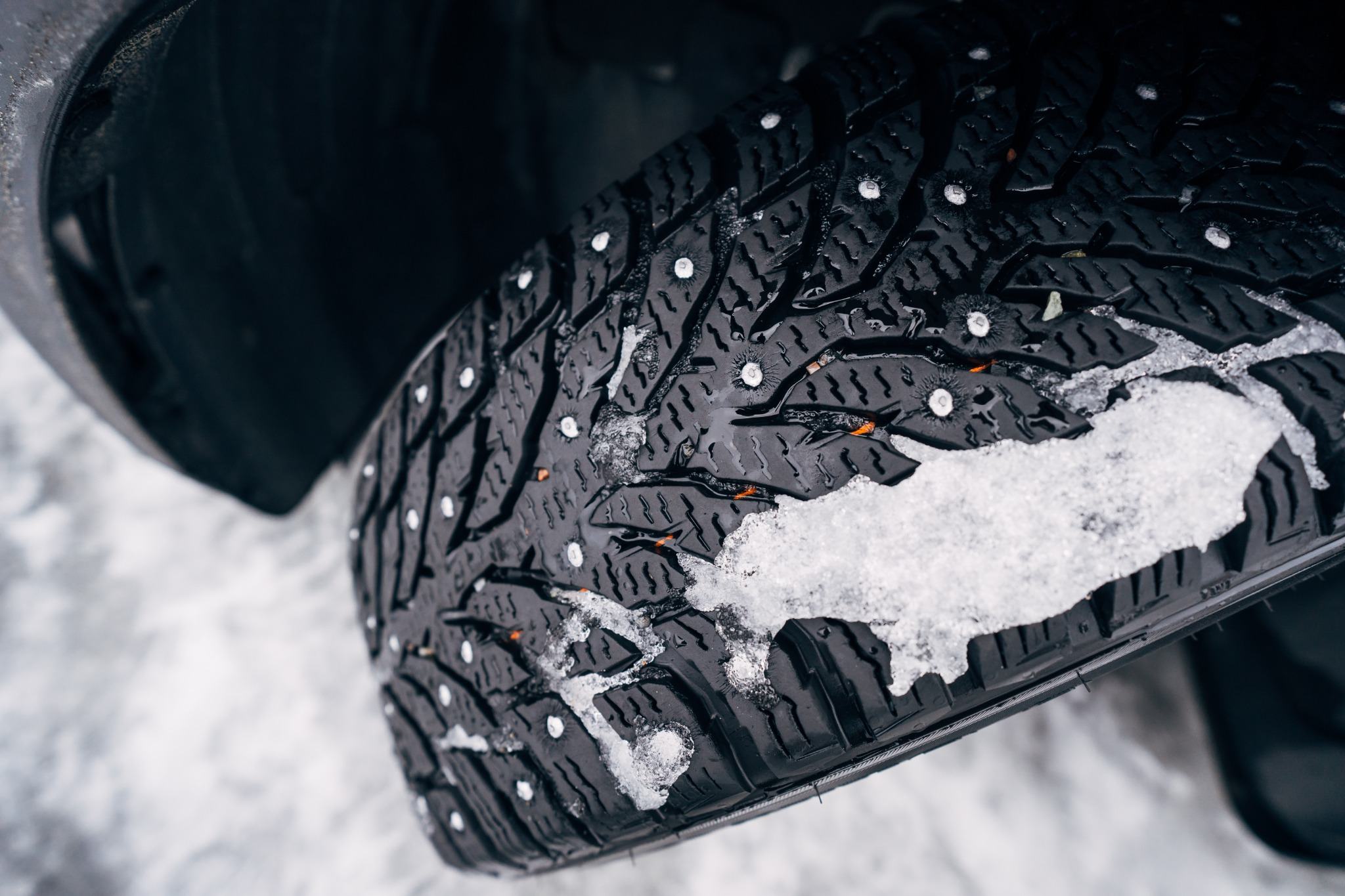
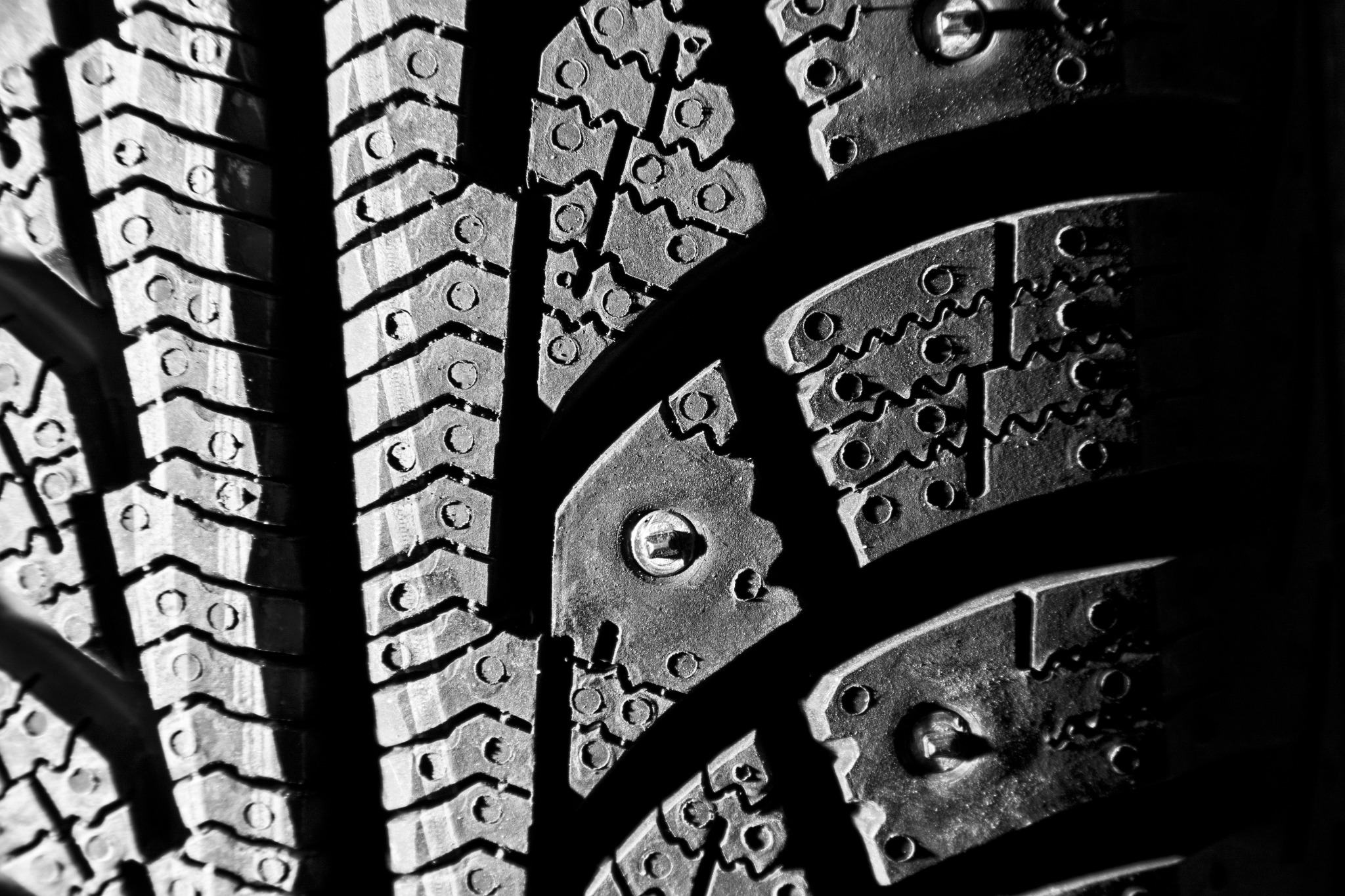
Studded tires are winter tires with small metal pins, usually tungsten carbide, set into the tread. When the tire rolls over ice, the studs dig in and give the tire something to push against that rubber alone cannot. Some winter tires come studded from the factory. Others are "studdable," meaning they have molded holes and a tire shop can insert studs if you want them. Once a studdable tire has been driven on without studs, it generally should not be studded later.
Twenty years ago, if you wanted ice grip you needed studs. That has changed. Studless winter tires from Bridgestone, Michelin, Continental, and Nokian now grip ice well enough that most drivers never notice what they are missing.
Bare ice: Studded wins, especially near freezing when ice has a film of water on it. Studless is close but not equal.
Packed snow and slush: About even. Tread design matters more than studs here.
Dry and wet pavement: Studless wins. Studs reduce the rubber touching the road, so braking and cornering suffer on cleared roads, which is where most winter miles happen.
Noise and ride: Studless wins by a lot. Studs are loud and you feel them.
Road wear: Studs chew up pavement, which is why states regulate them.
Legal use: Studless can be run anywhere, any time. Studded is seasonal or banned depending on the state.
If you are deciding between a winter tire and leaving your all-seasons on, start with winter vs. all-weather vs. all-season tires. Studs are a question for after you have decided on a dedicated winter set.
Studded tire laws vary a lot, and they do change, so check your state DOT before you buy. The general pattern looks like this:
Seasonal states: Most northern states allow studs during a set window, roughly October or November through March or April. Examples: Washington (Nov 1 to Mar 31), California (Nov 1 to Apr 30), Connecticut (Nov 15 to Apr 30), Nebraska (Nov 1 to Apr 1), and Virginia (Oct 15 to Apr 15). Run them outside the window and you can be ticketed.
No seasonal limit: A handful of states, including Colorado, New Hampshire, Vermont, and Wyoming, allow studs year-round.
Banned or heavily restricted: Several states do not allow metal studs on ordinary passenger vehicles, including Wisconsin, Minnesota, Michigan, and Illinois. Some of these make exceptions for rural mail carriers, school buses, or out-of-state visitors, but residents cannot run them.
Rubber studs only: A few southern states allow rubber studs but not metal.
Some states also limit stud size, how far the stud can protrude, or the percentage of the tread that can be metal. If you cross state lines in winter, the rules of the state you are driving in apply, not the state your car is registered in.
Studs earn their keep in a narrow set of situations. You live on or regularly drive unsalted rural roads that stay icy for weeks. You drive a steep driveway or hill that glazes over. You are in a region where freezing rain is common. In those cases, the extra ice grip is real and worth the noise and the dry-road trade-off.
If your commute is plowed and salted highway, a studless winter tire will be quieter, stop shorter on the dry and wet pavement you actually drive on most days, and still handle the occasional icy patch. That describes most drivers.
Studless winter tires. This is the right answer for most people. Bridgestone Blizzak WS90, Michelin X-Ice Snow, and Continental VikingContact 7 are the standard picks, and you can see our current favorites in the Best Winter Tires guide.
Studdable winter tires, left unstudded. Tires like the General Altimax Arctic 12, Firestone Winterforce 2, and Cooper Evolution Winter are good value winter tires on their own. You can add studs later if you move somewhere that needs them and allows them.
All-weather tires. If you cannot justify a second set of tires, an all-weather tire with the Three-Peak Mountain Snowflake symbol stays on all year and handles moderate snow well. It will not touch a studded tire on ice.
Tire chains. Chains beat studs on ice, but they are for emergencies and mountain passes, not daily driving. They limit you to low speeds and damage tires and pavement if used on bare road. Keep a set in the trunk if you cross passes.
Enter your year, make, model, and trim at onlytires.com to see the studless, studdable, and studded winter tires that fit your vehicle. Shipping is free to the lower 48, to your door or to one of 18,000+ installers, and every order is backed by our Guaranteed Fitment Promise. Remember to time your swap before the first freeze, not after.
Questions about what is legal in your state or whether studs make sense for your roads? Call 920-560-2430, Monday through Saturday, and talk to a tire specialist.
Not on ordinary passenger vehicles. Wisconsin is one of a handful of states that restrict metal studs to limited exceptions. Studless winter tires are the way to go here.
Do studded tires help in snow?
Not much. Studs help on ice. In snow, the tread pattern and compound do the work, and a good studless winter tire performs about the same.
Can I put studs in any winter tire?
No. Only tires sold as studdable have the molded holes to accept studs, and they should be studded before they are driven on.