Tire installer will only be applicable to your most recent vehicle search. If you would like tire installation on another vehicle, please make separate orders.
Missing vehicle or zipcode information. Enter your missing vehicle or zipcode here to view installer options.
Ship to Local Installer
Ship to Home
Road Hazard Protection with Extend.
Order Total
excl. tax
$0.00
OR EXPRESS CHECKOUT
Warning!
Are you sure you want to remove Anthem Off Road LT275/70R18 Tire from your cart?
Enter Your Vehicle
billing information
Winter vs. All-Weather vs. All-Season Tires: Which Do You Need?
September 4, 2026
Winter vs. All-Weather vs. All-Season Tires: Which Do You Need? | Only Tires
By Only Tires | 5 min read
Quick answer: All-season tires are built for mild climates and lose grip once temperatures drop below about 45°F. All-weather tires are all-seasons with a cold-rated compound and the Three-Peak Mountain Snowflake symbol, so they can stay on year-round in moderate winters. Winter tires grip best in real snow and ice but wear fast in warm weather, so they come off in spring. If you see regular snow and ice, run winter tires. If you get a few storms a year, all-weather is the easy answer. If it rarely freezes, all-season is fine.
About The Three Tire Types
"All-season" and "all-weather" sound like the same thing. They are not, and the difference matters once the roads freeze.
All-Season Tires
All-season tires are the default on most new cars. They are designed for dry and wet roads in moderate temperatures and can handle a dusting of snow. The compound is tuned for warm weather, so below about 45°F it stiffens and grip falls off, even on dry pavement. Most carry an M+S marking, which is based on tread design, not a traction test, so it does not mean the tire is good in winter.
Good examples: Michelin Defender2, Continental TrueContact Tour 54, and the Kumho Solus TA51a.
All-Weather Tires
All-weather tires are the middle option. They are built to stay on the car all year like an all-season, but the compound stays flexible in the cold and the tread has enough siping to earn the Three-Peak Mountain Snowflake (3PMSF) symbol. That symbol means the tire passed a standardized snow traction test. An all-weather tire will not match a dedicated winter tire in deep snow or on ice, but it is a big step up from an all-season when the roads turn white, and you never have to swap it.
Good examples: Michelin CrossClimate2, Goodyear Assurance WeatherReady 2, Toyo Celsius II, Firestone WeatherGrip, and Nokian Remedy WRG5.
Winter Tires
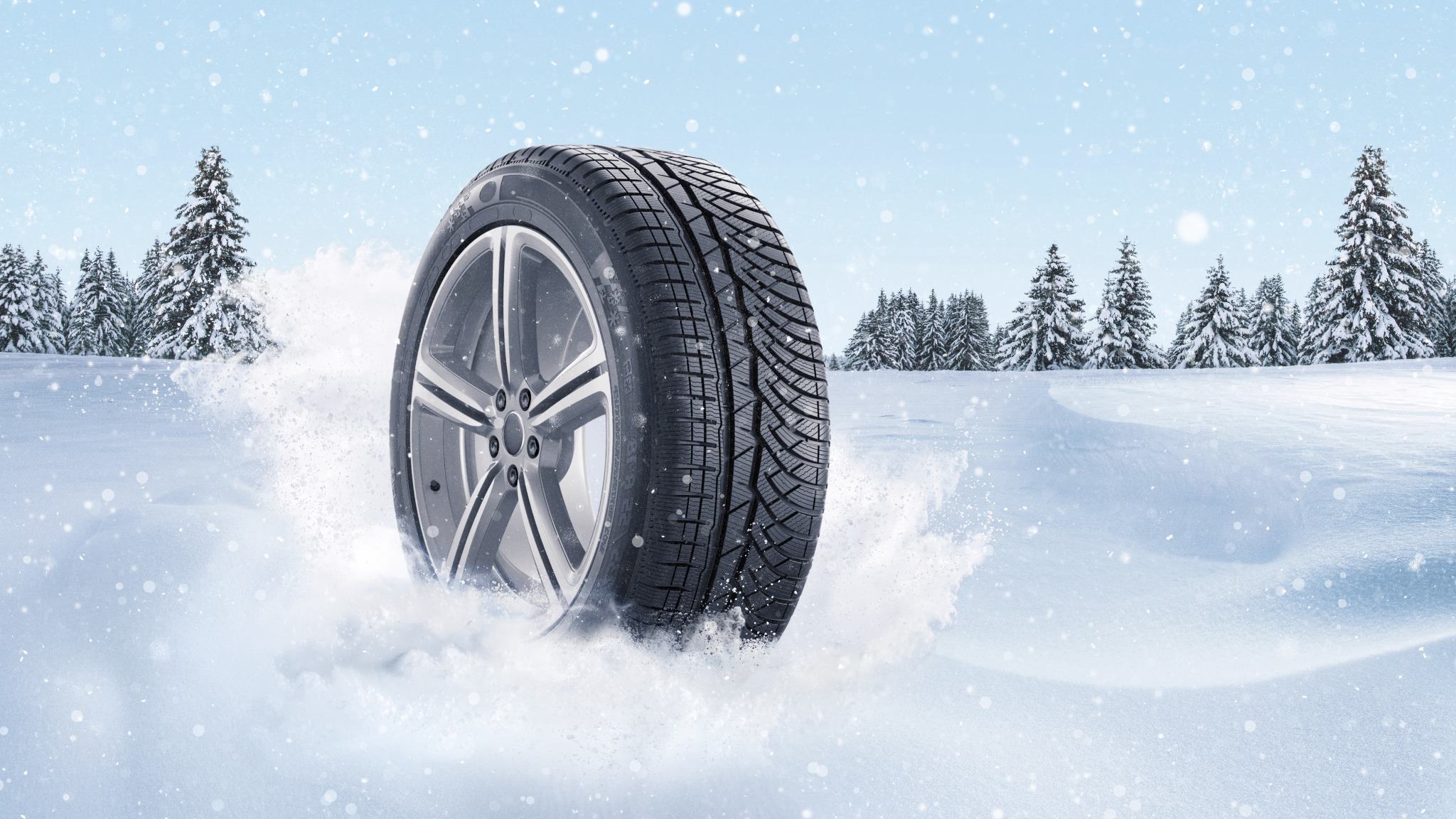
Winter tires, also called snow tires, are built for one job. The rubber stays soft well below freezing and the tread is cut with thousands of tiny sipes that bite into snow and ice. On snow and ice, nothing else comes close. The trade-off is that the soft compound wears quickly above about 45°F and handles less precisely on dry roads, so winter tires go on in late fall and come off in spring, usually on their own set of wheels.
Good examples: Bridgestone Blizzak WS90, Michelin X-Ice Snow, Continental VikingContact 7, and General Altimax Arctic 12. You can see our current picks in the Best Winter Tires guide.
Winter vs. All-Weather vs. All-Season: Side by Side
Snow and ice traction: Winter is best by a wide margin. All-weather is good. All-season is poor.
Dry and wet traction in warm weather: All-season and all-weather are both good. Winter tires feel soft and wear fast.
Tread life: All-season lasts longest. All-weather gives up a little. Winter tires last several seasons if you only run them in cold months.
Sidewall marking: All-season shows M+S. All-weather shows M+S plus the 3PMSF mountain and snowflake. Winter tires show 3PMSF.
Seasonal swap: All-season and all-weather stay on year-round. Winter tires require a second set.
Cost over time: Winter tires cost more up front because you are buying two sets, but each set wears half as fast, so the total is closer than it looks.
Pick based on where you live and how you drive, not on what the tire is called.
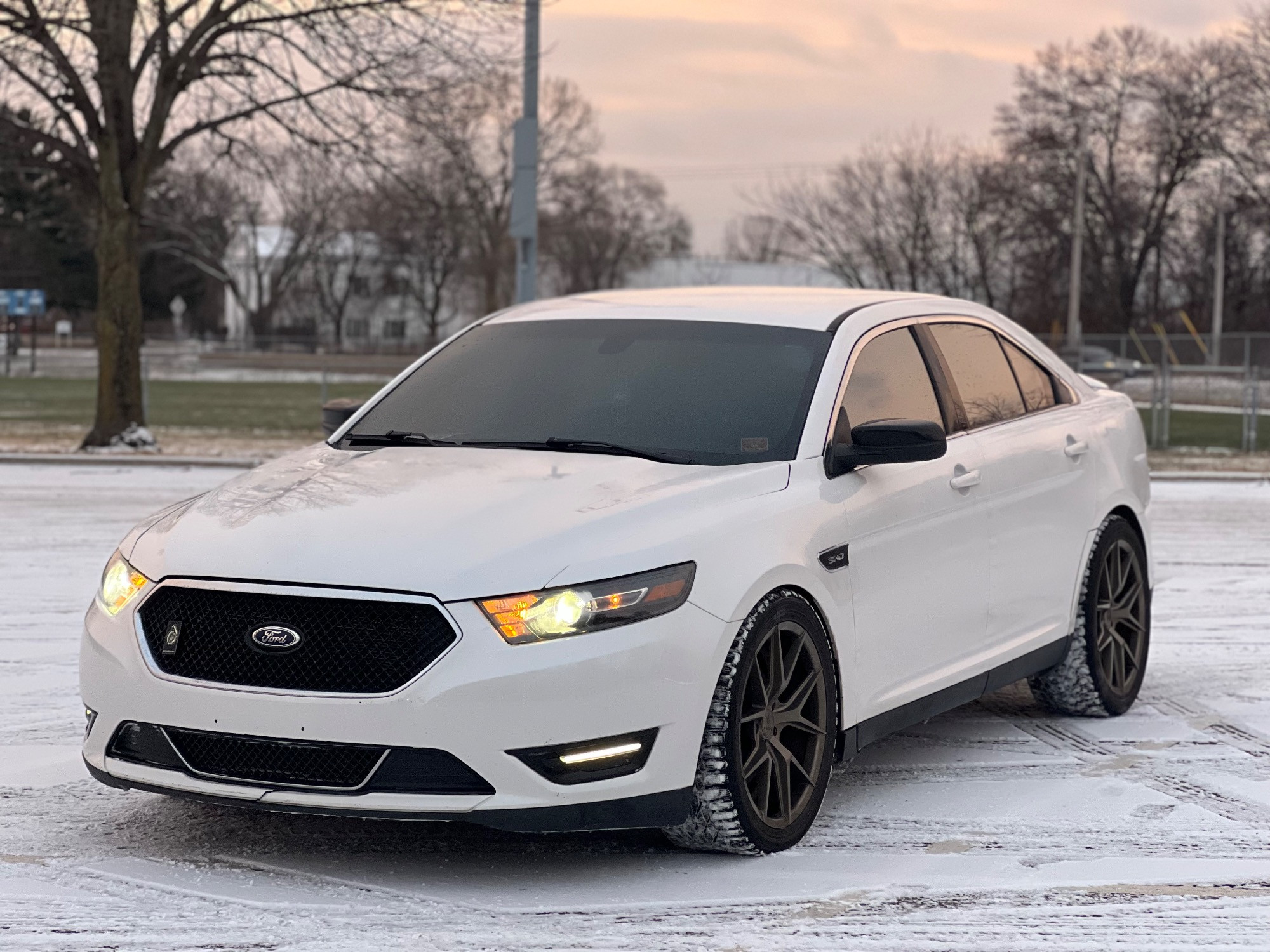
Run winter tires if you get regular snow and ice, your roads are not plowed quickly, or you drive early mornings when everything is frozen. This is most of the Upper Midwest, the Northeast, the Mountain West, and anywhere else with real winter. Put them on all four corners, not just the drive wheels. Our post on when to switch to winter tires covers timing.
Run all-weather tires if you get a handful of snow days a year or cannot store a second set of wheels. They are also the right call for the second car in a two-car household.
Run all-season tires if it rarely drops below freezing where you live and snow is a once-a-year event. In the South and along the coasts, an all-season is the sensible choice and the better value.
All-wheel drive is not a substitute for winter tires. AWD helps you get moving. It does nothing to help you stop or turn. Winter tires on a front-wheel drive car will outbrake all-seasons on an AWD vehicle on ice every time.
Studs are not required for ice. Modern studless winter tires grip ice well, and studs are restricted or banned in a lot of states. See Are Studded Tires Worth It? for the trade-offs.
Cold air changes your tire pressure. Whatever tire you run, check pressure once the cold sets in. Here is why cold weather drops your PSI.
Shop Winter, All-Weather, and All-Season Tires at Only Tires
Enter your year, make, model, and trim at onlytires.com and filter by tire type to see only the winter, all-weather, or all-season tires that fit your vehicle. Shipping is free to the lower 48, to your door or to one of 18,000+ installers, and every order is backed by our Guaranteed Fitment Promise. If it does not fit, we make it right.
Still not sure which type fits your winter? Call 920-560-2430, Monday through Saturday, and a tire specialist will give you a straight answer for your area and your vehicle.
No. All-weather tires carry the Three-Peak Mountain Snowflake symbol and use a cold-rated compound. All-season tires do not. An all-weather tire is safe to run year-round in moderate winters. An all-season tire is not built for snow and ice.
Can I use winter tires all year?
You can, but you should not. Winter tires wear quickly in warm weather and handle worse on dry roads. Swap them off once temperatures stay above about 45°F.
Do I need winter tires if I have all-wheel drive?
If you drive on snow and ice regularly, yes. AWD helps you accelerate but does not help you stop. Tires are what stop the car.