Tire installer will only be applicable to your most recent vehicle search. If you would like tire installation on another vehicle, please make separate orders.
Missing vehicle or zipcode information. Enter your missing vehicle or zipcode here to view installer options.
Ship to Local Installer
Ship to Home
Road Hazard Protection with Extend.
Order Total
excl. tax
$0.00
OR EXPRESS CHECKOUT
Warning!
Are you sure you want to remove Anthem Off Road LT275/70R18 Tire from your cart?
Enter Your Vehicle
billing information
When Should You Switch to Winter Tires? Timing by Temperature
September 9, 2026
When Should You Switch to Winter Tires? Timing by Temperature | Only Tires
By Only Tires | 4 min read
Quick answer: Switch to winter tires once daily temperatures consistently stay at or below 45°F (7°C). That usually means mid-October to mid-November across the northern U.S., and before the first real snow, not after it. Take them off in spring once temperatures consistently stay above 45°F. Go by the thermometer, not the calendar.
The 45°F Rule
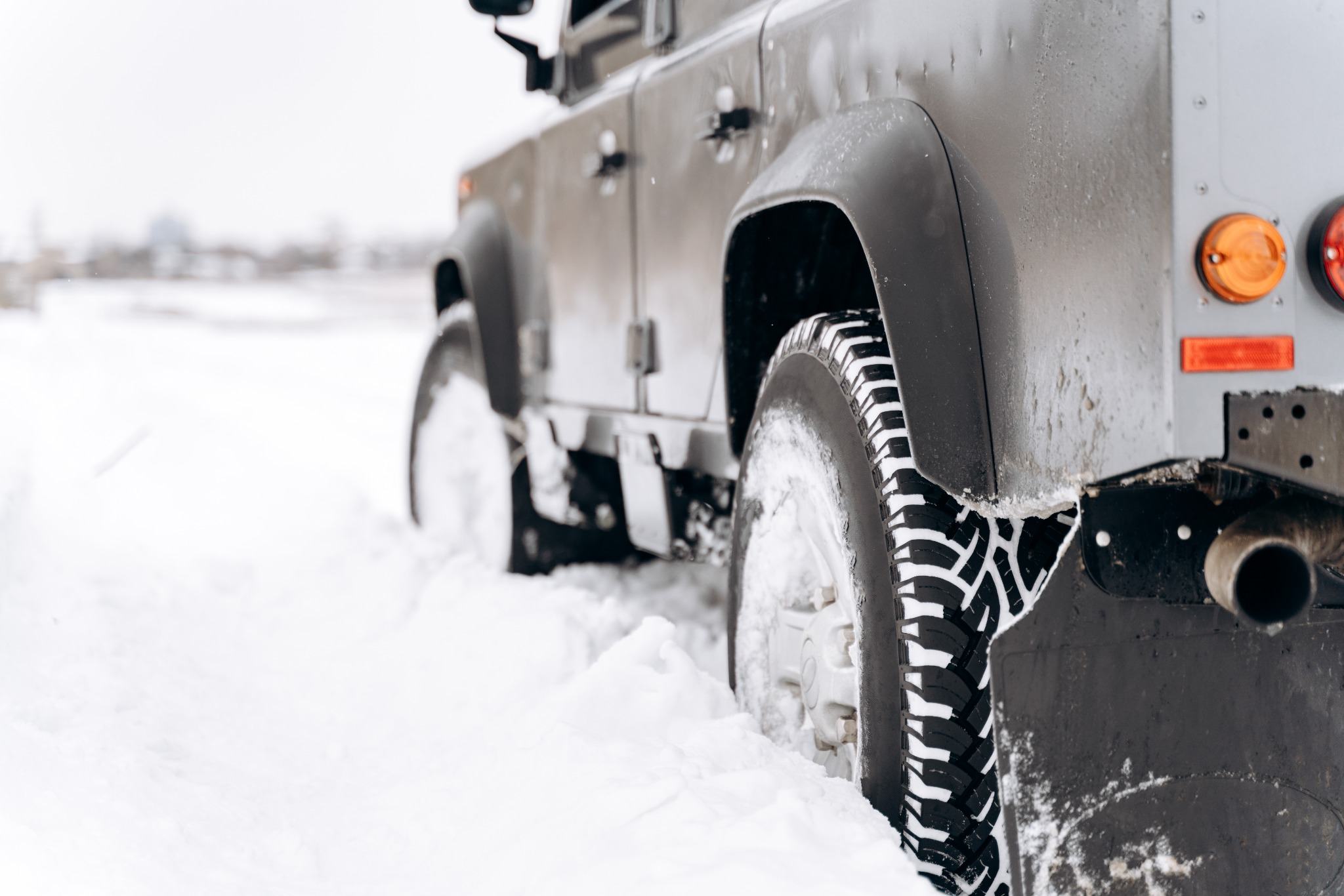
Most people wait for snow to think about winter tires. That is the wrong trigger. The reason to run winter tires is the rubber, not the tread. All-season rubber is tuned for warm pavement, and once the temperature drops below about 45°F it starts to stiffen and lose grip, even on a dry road. Winter tire rubber is built to stay soft in the cold, which is why it keeps gripping when an all-season goes hard.
So the number to watch is 45°F. When your daily highs are hovering around there and the overnight lows are well below it, the roads you drive in the morning are cold enough that winter tires are already doing a better job. Snow just makes the gap obvious.
Watch the 10-day forecast. When you see a stretch where the highs are stuck in the 40s and the lows are in the 30s or below, that is your week. Here is roughly how that lines up around the country:
Upper Midwest, Northern Plains, and northern New England: mid to late October.
Great Lakes, Mid-Atlantic, and the Mountain West: late October to mid-November.
Lower Midwest and the Northeast corridor: mid to late November.
Mountain passes anywhere: earlier than the valley below, and often required by law when chain controls go up.
A practical note from Wisconsin, where we are based: the first slick morning almost always shows up before the first plowable snow. Frost on the bridge deck does not care that the forecast said rain. Get the swap done before Halloween and you will not have to think about it.
Do not wait for the first storm. Every installer in town gets the same phone call that day, and you will be driving on all-seasons for a week while you wait for an opening. Booking in October means you pick the day.
Same rule in reverse. Once daily temperatures consistently stay above 45°F, usually late March to mid-April in the north, winter tires should come off. Leaving them on into warm weather is the most common way people burn through a set early. The soft compound wears quickly on hot pavement, the handling gets vague, and you are throwing away a season of life for no benefit.
If you get one last cold snap after you have swapped, you will be fine on all-seasons for a few days of cold, dry roads. The risk is snow and ice, not cold alone.
Put winter tires on their own wheels. A second set of steel or basic alloy wheels costs money once, then the swap is a 30-minute bolt-on job instead of a mount-and-balance every season. It is also easier on the tires, since they are not being pulled off the bead twice a year.
Do all four. Two winter tires on the drive axle and two all-seasons on the other is a bad setup. The grip mismatch front to rear makes the car unpredictable in a corner or under braking.
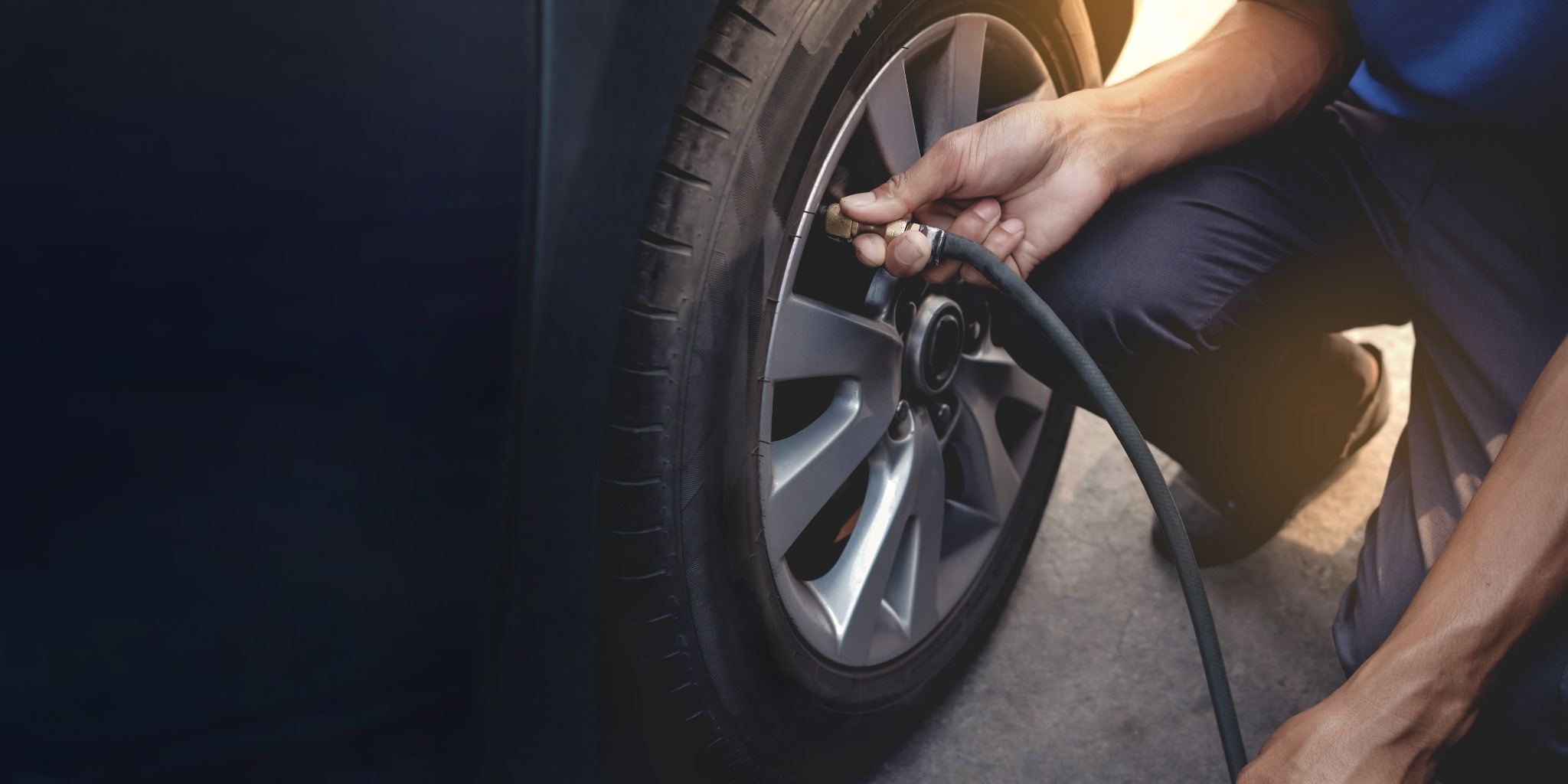
Check your pressure after the swap and after the first cold snap. Tire pressure drops about 1 PSI for every 10°F the temperature falls. Here is the full explanation of why cold weather drops your PSI.
Store the off-season set properly. Clean them, bag them, and keep them in a cool, dry spot out of the sun. Stack them flat if they are on wheels, stand them up if they are not.
Winter tires need more tread than all-seasons to do their job. The legal minimum is 2/32 of an inch, but snow traction drops off noticeably below 6/32. Check with a tread depth gauge before you mount them each fall. If they are under 6/32, they will still be legal, but they will not be winter tires anymore.
Age matters too. Even with plenty of tread, a winter tire that is seven or eight years old has hardened enough that it is giving up much of its cold-weather advantage. The DOT date code on the sidewall tells you the week and year it was made.
See our current favorites in the Best Winter Tires guide, or go straight to onlytires.com, enter your year, make, model, and trim, and filter to winter tires that actually fit. Shipping is free to the lower 48, to your door or to one of 18,000+ installers, so you can have them waiting at your shop before the cold hits. Every order is backed by our Guaranteed Fitment Promise.
Not sure the timing is right for your area? Call 920-560-2430, Monday through Saturday, and a tire specialist will tell you.
Below about 45°F. That is the point where all-season rubber begins to stiffen and lose grip, and winter rubber starts to outperform it.
Is it bad to put winter tires on too early?
A couple of weeks early costs you a little extra wear and nothing else. A couple of weeks late can cost you a fender. Early is the safer mistake.
Can I leave winter tires on all year?
You can, but they will wear out fast in warm weather and handle worse on dry roads. If you want one tire for the whole year, look at an all-weather tire instead.